Multiple Sclerosis

Contact Us
Multiple Sclerosis

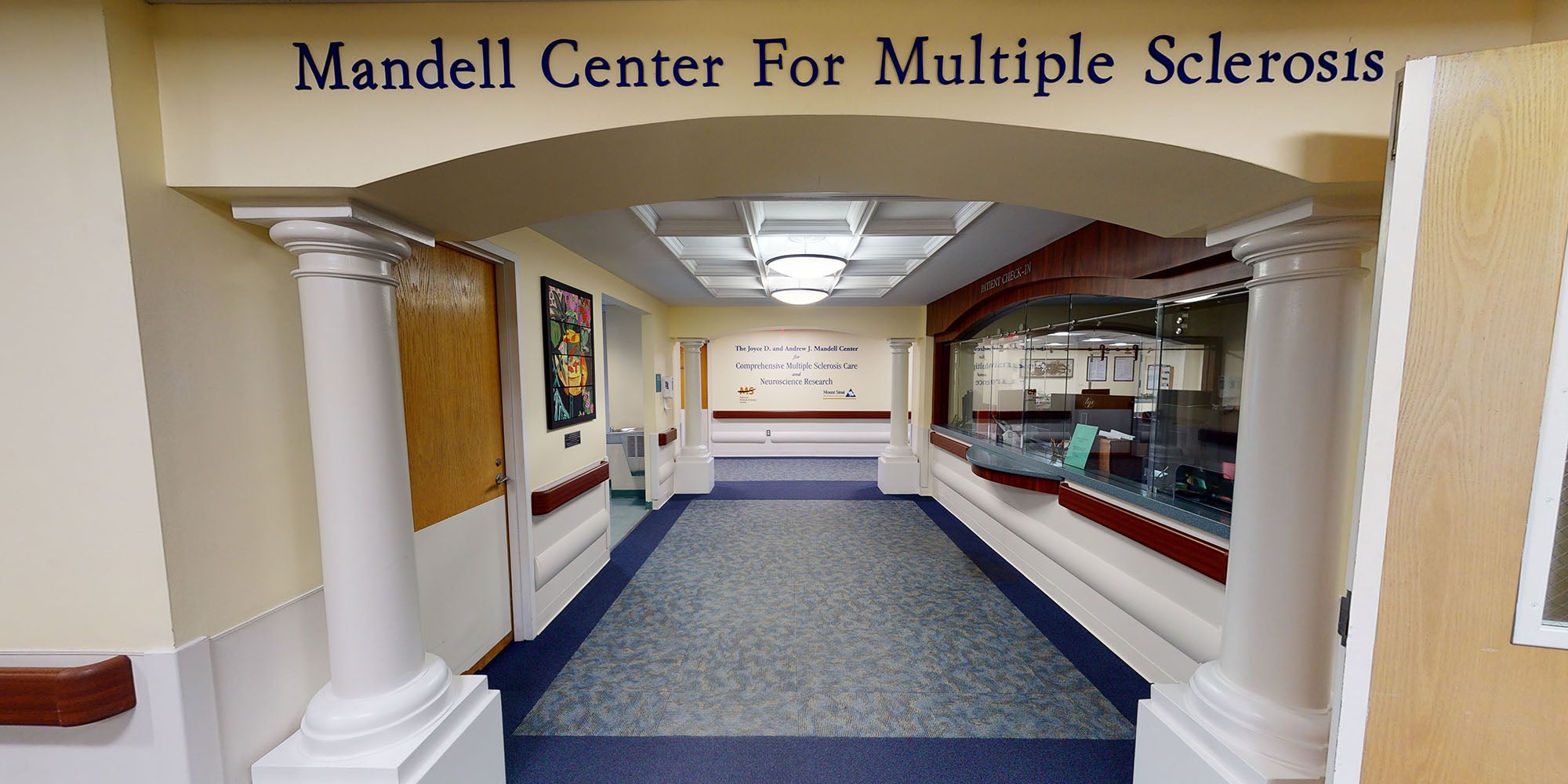
At Trinity Health Of New England, we offer specialized care for multiple sclerosis (MS) through the Joyce D. and Andrew J. Mandell Center for Comprehensive Multiple Sclerosis Care and Neuroscience Research.

Multiple sclerosis (MS) is a lifelong disease that affects the central nervous system, primarily the brain and spinal cord. While there is no cure for MS, the right care can help you successfully manage your symptoms.

Our dedicated team at the Joyce D. and Andrew J. Mandell Center for Comprehensive Multiple Sclerosis Care and Neuroscience Research provides the focused care and supportive services you need to live your best life.

Multiple Sclerosis: Why Choose Trinity Health Of New England?

Living with MS requires comprehensive care and ongoing support. At the Mandell MS Center, you’ll find:

  • Nationally recognized MS care: We were the first in Connecticut to be recognized by the National Multiple Sclerosis Society as a Center for Comprehensive Multiple Sclerosis Care. Through our continuing partnership with the National MS Society, we offer community outreach, educational programs and support groups.
  • Specialized services close to home: We provide comprehensive clinical care, rehabilitation, support services and research opportunities at two Mandell MS Center locations in Connecticut and one location in Springfield, MA. Expert MS care is always within reach.
  • Dedicated MS providers: All Mandell MS Center providers are certified MS specialists and focus exclusively on patients with MS. You have access to a wide range of experts, including MS specialists in urology, behavioral health and social services.
  • Complete and lifelong care: We care for you at every stage of MS, from diagnosis and treatment to rehabilitation and symptom management. Our providers work with you to develop individualized solutions for living with MS.
  • Access to innovative MS research: Our researchers are at the forefront of MS investigation, so you have access to studies testing the latest approaches to care. Close collaboration between our researchers and clinical providers means that you benefit from the newest MS care models.
MS Care

Designated as a Center for Comprehensive MS Care
This honor acknowledges the Joyce D. and Andrew J. Mandell Center for Multiple Sclerosis for its commitment to high-quality care, expertise, multidisciplinary team, and attention to detail in treating people living with MS.

Multiple sclerosis (MS) is a difficult immune disease to diagnose. With no definitive test available, MS often goes undiagnosed, leading to delays in getting the proper treatment.

The Mandell MS Center at Trinity Health Of New England provides specialized care for MS. Our expert providers understand how to evaluate your symptoms to identify MS. We use our advanced MS knowledge to deliver an accurate diagnosis and get you the treatment you need.

Diagnosing MS: Why Choose Trinity Health Of New England?

As a recognized Center for Comprehensive Multiple Sclerosis Care, the Mandell MS Center provides:

  • MS expertise: Our neuroradiologists, who specialize in diseases of the central nervous system, use advanced imaging to help diagnose MS. Our providers focus only on MS, so we understand how to differentiate MS from similar conditions.
  • Individualized approach: We take a comprehensive and customized approach to MS diagnosis. Our team thoroughly examines your symptoms and test results to provide an accurate diagnosis.
  • Advanced imaging technology: We use sophisticated imaging techniques, such as 3 Tesla magnetic resonance imaging (3T MRI), to capture highly detailed images of the brain and spine. These images help us make a quicker diagnosis and more accurate treatment plan.
  • Comprehensive care: Our providers treat and support you at every stage of MS. We work with you to understand your diagnosis and develop a treatment plan.

What Is MS?

MS occurs when your body’s immune system attacks your central nervous system (CNS), which includes the brain, spinal cord and optic nerves. The immune system damages the myelin, the protective coating surrounding your nerves, and often the nerves as well. The damage interrupts communication between your brain and the rest of the body, causing a range of neurological symptoms.

How Is MS Diagnosed?

We work quickly to confirm or rule out MS, so you can get the right care. Our team considers your medical history, evaluates your symptoms, performs laboratory tests and conducts a neurologic examination to provide an accurate diagnosis.

Often, an MS diagnosis relies on ruling out other conditions that have similar symptoms, such as:

  • Infections of the CNS, such as Lyme disease
  • Inflammatory disorders of the CNS, such as lupus
  • Genetic disorders
  • Vitamin and mineral deficiencies

MS symptoms

MS symptoms are unpredictable and differ from person to person. Symptoms may vary by type, frequency and severity. Symptom flare-ups may also change over time as the disease changes or progresses.

Your provider will likely track your symptoms. Patterns and frequency of your symptoms help to both diagnose MS and determine the best course of treatment. Common signs of MS include:

  • Fatigue
  • Vision problems, such as blurred vision or pain with eye movement
  • Numbness or tingling
  • Muscle weakness
  • Dizziness
  • Muscle spasms
  • Issues with sexual, bowel and bladder function
  • Movement problems

Testing for MS: If our neurologic examination and your symptoms provide evidence of MS, we may order additional tests to confirm an MS diagnosis, including:

  • Blood tests, to rule out other diseases and check for biomarkers associated with MS
  • Spinal tap (lumbar puncture), which analyzes a small sample of fluid taken from your spinal canal to find abnormalities associated with MS
  • MRI, which may reveal areas of MS, known as lesions, on your brain and spinal cord
  • Evoked potential tests, where we stimulate the electrical signals produced by your central nervous system to see how they respond

Types of MS: The path MS takes can differ from person to person. However, MS usually follows four basic disease courses, which include:

  • Clinically isolated syndrome (CIS): This first episode, which lasts at least 24 hours, suggests MS but does not yet meet the criteria for a diagnosis.
  • Relapsing-remitting MS (RRMS): Approximately 85 percent of people with MS are first diagnosed with this type. With RRMS, attacks of new or increasing neurologic symptoms (also called relapses or flare-ups) are followed by periods of partial or complete remission (very few or no symptoms occur).
  • Secondary progressive MS (SPMS): There is a noticeable decrease in neurologic function as the disease progresses. Most people diagnosed with RRMS will transition to SPMS over time.
  • Primary progressive MS (PPMS): Patients notice that their neurologic function worsens from the start of the symptoms, without any periods of remission. Approximately 15 percent of people diagnosed with MS have PPMS.

MS Treatment at the Mandell MS Center

We treat all types of MS at the Mandell MS Center. We use disease-modifying therapies and medication to slow the progression of MS. Our specialty providers and advanced rehabilitation services help you manage your symptoms. Through our on-site MS research programs, you’ll benefit from the newest treatments and care models.

People with MS find lifelong treatment and support at Trinity Health Of New England. While there is currently no cure for MS, the right care can help you live a good quality of life.

Our providers treat MS with a focus on restoration, preservation and adaptation. Specialists at our Mandell MS Center offer comprehensive MS care that includes individualized treatment, rehabilitation therapy and support services.

Multiple Sclerosis Treatment: Why Choose Trinity Health Of New England?

As a recognized Center for Comprehensive Multiple Sclerosis Care, we provide a range of treatments and services for MS, including:

  • Comprehensive care close to home: Our three Mandell MS Centers deliver complete care for MS, from diagnosis and treatment to therapy and support. Our on-site infusion therapy suites and rehabilitation services mean you get all your care in one place. We offer specialized MS care throughout Connecticut and Massachusetts.
  • Proactive MS treatment: We conduct baseline evaluations for mental health, physical function and cognitive function. This foundation helps us recognize the signs of disease progression and provide early intervention.
  • Access to innovative MS research: Our on-site research program provides access to patient studies and the newest advances in MS treatments and services. Our researchers and clinicians work together to give you the best possible care. Learn more about our MS research program.
  • Individualized care plan: Our MS neurologists work with you to set goals, create a treatment plan and find the most appropriate disease-modifying therapy for you.
  • Specialized therapy: Our physical, occupational and speech therapists focus exclusively on patients with MS. They use advanced evaluations and leading-edge therapies to help you successfully manage your symptoms.
  • Tools for living with MS: We offer support groups, mental health services and access to community resources to assist you in day-to-day living with MS.

MS Treatments We Offer

At the Mandell MS Center, we customize your treatment plan to meet your needs. Your team of specialized providers focuses on slowing the progression of the disease, helping you recover from attacks and relieving MS symptoms. Our goal is to help you stay active and independent. Our clinicians and researchers collaborate to give you access to groundbreaking research projects and the latest advances in MS care.

If you have an MS diagnosis, our team partners with you to set goals and create a plan. We provide the information you need to make educated decisions about your MS treatment, which may include:

MS Medications: The right medication may slow down the course of the disease and offer relief from MS attacks and symptoms. We use a wide range of treatments for MS, including FDA-approved disease-modifying therapy (DMT). When used in the early stages of MS, these therapies may lower the rate of relapse and slow the disease progression. Medications we use to treat various stages of MS include:

  • Corticosteroids, administered either orally or intravenously to reduce nerve inflammation during MS attacks
  • Injectable DMT, used to treat relapsing-remitting MS (RRMS)
  • Oral DMT, prescribed for RRMS
  • Infusion DMT, administered in our on-site infusion suites for both primary-progressive MS (PPMS) and RRMS
  • Symptom relief medication, used for issues including muscle stiffness, fatigue, difficulty walking, depression, urinary problems and pain

Rehabilitation for MS: Rehabilitation may relieve MS symptoms and help you successfully complete activities of daily living. Our physiatrists (physicians trained in rehabilitation) and specialized therapists work with you to ease discomfort and provide solutions for MS challenges. We offer advanced evaluations and MS-focused physical, occupational and speech therapy. Our innovative rehabilitation services include:

  • Specialized speech therapy technology
  • Virtual reality
  • Robotic therapy
  • Aquatic therapy
  • Access to therapeutic community programs

Other MS treatment services: Our comprehensive approach to MS means treating both your physical and mental well-being. As part of your treatment at the Mandell MS Center, you’ll have access to specialized MS services not widely available, including:

  • Urology specialists
  • Podiatry specialists
  • Neuropsychologists
  • Pharmacy evaluations
  • Social services
  • Support groups
  • Customized mobility devices, such as bracing, orthotics and wheelchairs

Multiple sclerosis (MS) is a complicated disease requiring expert care and lifelong support. Trinity Health Of New England offers comprehensive MS care and services through the Mandell MS Center. Our providers are MS clinical specialists who focus exclusively on patients with MS.

Specialized MS Providers for Every Need

The multidisciplinary team at the Mandell MS Center includes:

  • Behavioral health clinicians
  • Case managers
  • Neurologists
  • Neuropsychologists
  • Nurses
  • Nurse practitioners
  • Occupational therapists
  • Physiatrists
  • Physical therapists
  • Physician assistants
  • Podiatrists
  • Social workers
  • Speech-language pathologists
  • Urologists

The Mandell Center for Multiple Sclerosis Clinical MS Fellowship

The Mandell Center is a comprehensive care center for MS patients that was established in 2008 to deliver services with emphasis on clinical care and research. There are both inpatient and outpatient facilities that encompass a wide range of care needs for MS patients. The Mandell Center Multiple Sclerosis Fellowship is a fully funded, one year subspecialty training program.

Clinical Resources:

The Mandell MS Center features the following on-site clinical services:

  • Physiatry services
  • Neuro-rehabilitation MS specialty team (physical, occupational, and speech therapy)
  • Neuro-urology services including urodynamic testing and Botox
  • Neuropsychology services
  • Behavioral Health services
  • Case management/social work services

Goals and Objectives for Training:

Mandell Center Multiple Sclerosis fellows will be trained in the most up to date management of MS care including methods of MS diagnosis, treatment selection, symptom management, rehabilitation needs, and comprehensive care. MS fellows are expected to actively participate in the decision-making process of their patients’ care. The goal is to learn methods of diagnosis, selection of disease modifying therapies, interpretation of magnetic resonance images, symptomatic treatment, and participation in clinical trials.

Clinical Research:

The Mandell MS Center focuses on both rehabilitation based investigator initiated clinical trials, as well as industry sponsored trials focusing on disease modifying therapies. We are affiliated with Oxford University in the UK and Quinnipiac University in CT and conduct ongoing research with both institutions. The fellow will be expected to learn the fundamentals of MS clinical trial research design, EDSS (expanded disability status scale) testing and interpretation and will participate in the center’s active clinical trials. Additionally, the fellow will be encouraged to be active in his or her own clinical research project under the guidance of our research center.


For more information about the Mandell Center for Multiple Sclerosis Clinical MS Fellowship call (860) 714-2149.

MS patient testimonial

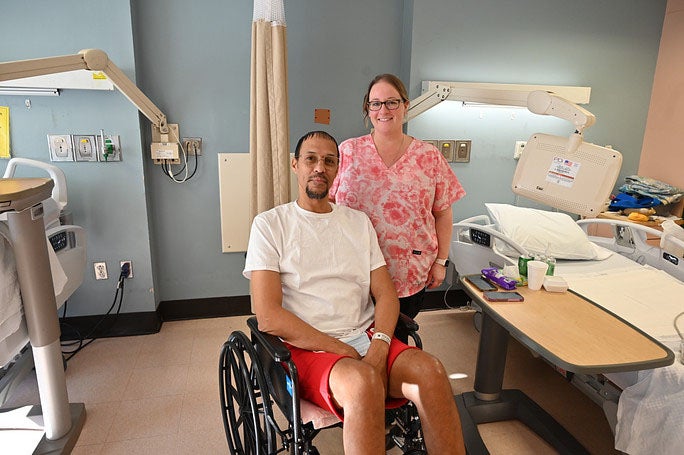
“I had my first appointment within 36 hours of my first call, and I was instantly comfortable once I met the providers who would be caring for me. I didn’t know what to expect when I first came to the MS Center, but Dr. Elhusseiny put me at ease right away.”  - Jenny Trosky, Mandell MS Center patient