
What to Expect When You Call an Ambulance
September 30, 2026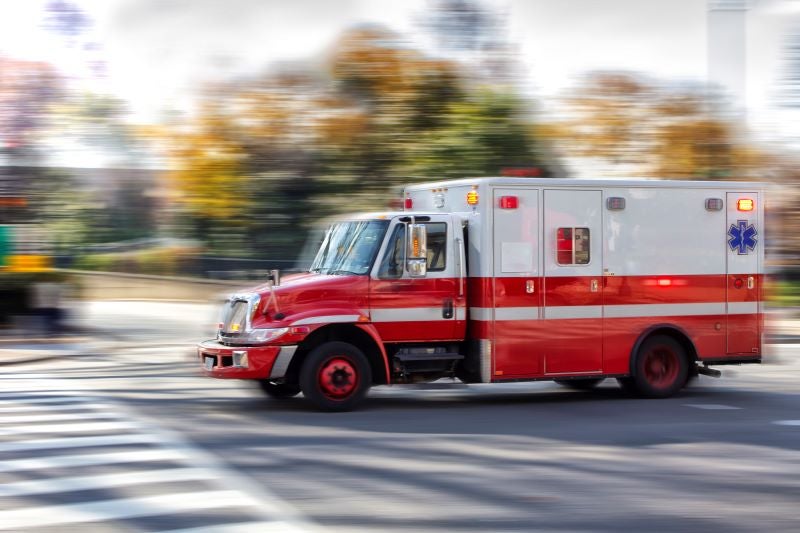
You suddenly find yourself faced with a medical emergency – an elderly loved one is showing signs of a stroke, your child falls while playing outside and breaks a bone, or you may be experiencing the chest pain that comes with a heart attack – and you need to call an ambulance. After you dial 9-1-1, there are several things you can do to prepare for the arrival of the Emergency Medical Services (EMS) team to help facilitate transportation to the hospital.
When the 9-1-1 dispatcher answers your call, you will be asked for your name, your exact location and a call-back phone number in case the call is disconnected. You will be asked informational questions about the patient and what appears to be wrong with them – your answers will help the dispatcher determine the appropriate care response level. If you are at home, you will be asked to unlock the front door, move vehicles in the driveway and secure pets in a separate room. Depending on the reason for your call, the dispatcher may stay on the line to instruct you about providing first aid for the patient to stop bleeding or even life-saving measures like performing CPR.
Once the EMS team arrives, they assess the patient’s condition, checking vital signs like blood pressure, heart rate and oxygen level. They will also evaluate the patient’s symptoms, such as chest pain, dizziness, facial drooping, arm or left side weakness, and shortness of breath. They may also ask some of the same questions previously asked by the dispatcher. They will use all the information they gather to determine an immediate treatment plan which may include dispensing medications, starting an IV and, if needed, performing an EKG on the patient. Although providing this care on scene may delay transport to the hospital, patients typically have better outcomes when necessary treatment is started immediately.
Once the patient’s condition has been stabilized, they will prepare him or her for transport to the hospital. While en route, they will communicate with the hospital’s emergency department to ensure there is no interruption of care upon arrival, and to give advance notice to any clinical specialists who may be involved in the case. It’s important to note that this communication may take place on an iPad or cell phone as EMS providers use apps that support direct communication with hospital emergency departments.
There are also several things you can do well in advance to be prepared should you ever need to call an ambulance. You should have easy access to the medical histories and medication lists of all members of your household and ideally, you should keep this information in an envelope attached to the front of your refrigerator, as this is where EMS crews often look for it. You should also make sure the numbers of your address are easily identifiable from the street. These simple steps are invaluable should an emergency medical situation arise.
Trinity Health Of New England Mobile Health Care provides emergency and non-emergency medical transportation, paramedic intercept services and critical care transfers across parts of Connecticut. The service has received national recognition for specialized pre-hospital care for heart attack and emergency trauma patients.
Learn about Trinity Health Of New England Mobile Health Care Learn about what to expect when you arrive at a hospital emergency department