
Know Your Risk for Atrial Fibrillation, the Most Common Type of Heart Arrhythmia
February 6, 2026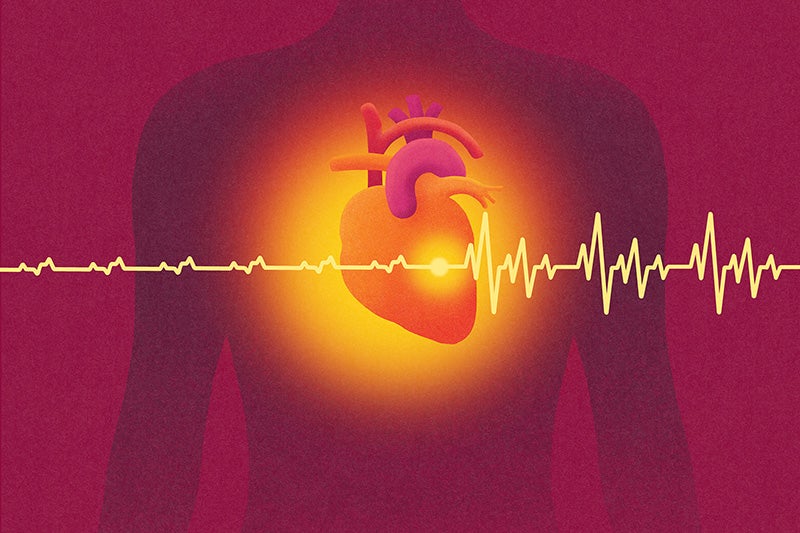
Tags: Atrial Fibrillation, Cardiology
Atrial Fibrillation, or AFib, is the most common type of heart arrhythmia. In the U.S., more than five million adults are living with AFib, and that number is expected to jump to more than 12 million by 2030.
An abnormal rhythm of your heart’s upper chambers characterized by a fast, irregular, heartbeat, AFib is the result of a glitch in your heart’s electrical system. Instead of sending electrical signals in a stable manner, a heart in AFib sends different signals at the same time.
Symptoms of AFib include the sensation that your heart is racing, palpitations, chest pain, skipped beats, lightheadedness and fainting. More subtle symptoms that may “fly under the radar” include fatigue and shortness of breath with exertion – symptoms that leave patients “not feeling quite right.” If left untreated, AFib increases your risk of developing blood clots, suffering a stroke, heart failure, or other heart-related complications.
Your risk for AFib increases as you get older. Other risk factors include:
- High blood pressure
- Obesity
- European ancestry
- Diabetes
- Heart failure
- Ischemic heart disease
- Hyperthyroidism
- Chronic kidney disease
- Moderate to heavy alcohol use
- Smoking
- Enlargement of the chambers on the left side of the heart
Diagnosis of AFib starts with an electrocardiogram (ECG/EKG), a painless test that records the heart’s electrical activity, checks the heart rate and rhythm, and reveals damage or stress on the heart. You will also receive a complete physical exam, have blood tests, and receive an echocardiogram (echo) to assess your heart’s structure and function.
Trinity Health Of New England offers patients access to an entire network of hospitals, specialists and outpatient clinics that address the full spectrum of cardiovascular conditions, including AFib. You can learn about our full line of cardiac services here.