
Your Stories: Community Health and Well-Being Takes a Lead in Advocacy
February 4, 2026Categories: Colleague Corner
Unfair reimbursement has real and lasting consequences for the communities we are called to serve. It limits our ability to reinvest in programs that address health inequities, expand access to care, and improve the overall health and well being of our communities in Hartford, Waterbury and beyond.
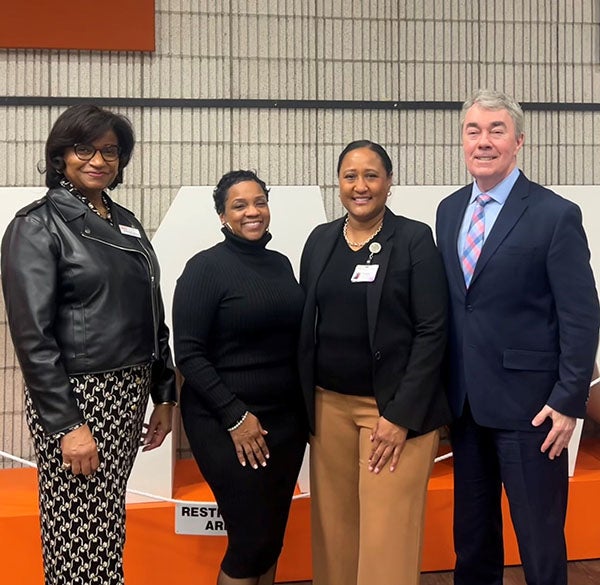
The partnership with YWCA Hartford Region has been instrumental in elevating priorities around advocacy efforts addressing inequities in care.
The significant disparity in Connecticut’s reimbursement between our hospitals and others providing the same services underscores a pattern of disinvestment in the very communities that rely on us most. This inequity deepens existing disparities and threatens the long term sustainability of essential services our patients and neighbors in Connecticut depend on every day.
Standing Together with Trusted Partners
One of our greatest strengths, and a true differentiator for our health system, is the trust and collaboration we share with our community partners. In response to the growing challenges posed by unfair reimbursement, Community Health and Well-Being has issued a call to action for our trusted allies across Hartford and Waterbury to help amplify our collective voice with local legislators and they have wholeheartedly answered the call to be our champions! Our partners understand firsthand that the community benefit dollars we have invested to improve overall health and well being and to empower residents to lead change are at risk.
We are deeply grateful to the YWCA Hartford Region for their leadership and advocacy as we approach the upcoming legislative session, as they announced their commitment to include our advocacy efforts into their own legislative priorities. Their work leading the Transforming Communities Initiative (TCI) Collaborative in partnership with Saint Francis Hospital, alongside our partners at Waterbury Bridge to Success leading TCI in partnership with Saint Mary’s Hospital, has mobilized community voices and engaged local legislators in meaningful advocacy on our behalf. This collective mobilization of communities has been instrumental in elevating our shared priorities, particularly the need to address inequities in Connecticut’s hospital tax and reimbursement structure.
We also extend our sincere thanks to Tiffany Young, Senior Director, Community Engagement and Advocacy, YWCA Hartford Region; Adrienne Cochrane, JD, CEO of YWCA Hartford Region; and Daniel F. Keenan, JD, Regional Vice President Advocacy and Government Relations at Trinity Health Of New England, for their continued leadership and advocacy on behalf of our system and the communities we serve.
Why This Moment Matters
For over 128 years, our hospitals have served our communities with a steadfast commitment to compassionate care, health equity and community well being. That commitment, however, is increasingly at risk if government programs and commercial insurers fail to reimburse hospitals fairly for the services we provide.
It is critical that policymakers and stakeholders understand:
• Medicaid reimbursement must reflect the true cost of care.
• Commercial health insurers must pay equitable rates.
• Connecticut’s hospital tax program must be restructured to treat safety net hospitals such as Saint Francis Hospital and Saint Mary’s Hospital fairly.
Fair reimbursement is not simply about financial sustainability. It is about protecting access to care, supporting our workforce, advancing health equity and honoring our mission to serve those who need us most.
Thank you for everything you do each day to care for our patients and our communities. Your work is the reason advocacy at this moment matters.
Submitted by Carolyn Alessi, MBA, Regional Director Community Health and Well Being, Trinity Health Of New England.
Do you have a story you would like to share? Submit your story at TrinityHealthOfNE.org/YourStories.
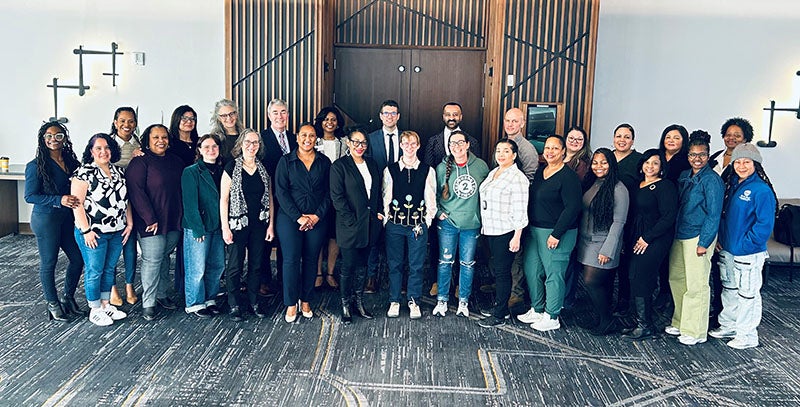
The Transforming Communities Initiative has brought together community leaders and advocates across the region, all focused on improving health and well being and empowering residents to lead change.